
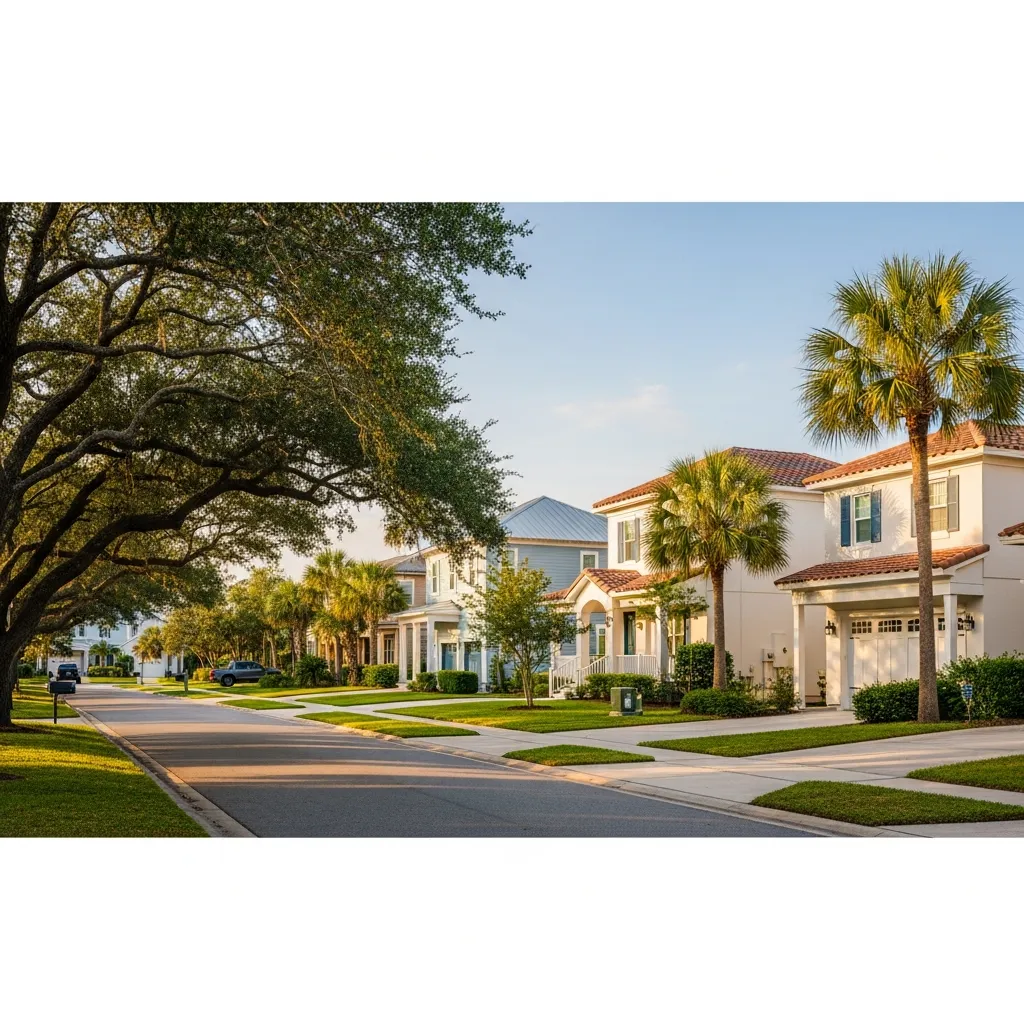
St. Johns County vs. Duval County: Which Northeast Florida Area Fits You Better?
If you are thinking about moving to Northeast Florida, one of the biggest early decisions is whether to focus more on St. Johns County or Duval County.
Both can be strong options, but they offer different versions of Northeast Florida living.
St. Johns County is often associated with newer communities, high-demand school zones, master-planned neighborhoods, historic St. Augustine, coastal access, and continued growth.
Duval County includes Jacksonville, Mandarin, Jacksonville Beach, San Marco, Riverside, Southside, the Beaches, and a wide range of neighborhoods with different price points, commute patterns, lifestyles, and home styles.
Neither one is automatically better.
The better question is: which one fits your budget, commute, lifestyle, school needs, home preferences, and long-term plan?
Here is how buyers can compare St. Johns County and Duval County before choosing where to focus their home search.
Start with lifestyle, not just county lines
County lines matter, but lifestyle matters more.
A buyer choosing between St. Johns County and Duval County is not just choosing a location on a map. They are choosing a daily routine.
That routine may include school drop-off, commute time, grocery trips, kids’ activities, beach access, restaurants, medical appointments, weekend plans, and how much neighborhood structure they want around them.
St. Johns County may appeal to buyers who want newer master-planned communities, a more suburban feel, St. Augustine access, and well-known areas like Nocatee, SilverLeaf, Rivertown, World Golf Village, Ponte Vedra, and northern St. Augustine.
Duval County may appeal to buyers who want closer access to Jacksonville employment centers, more established neighborhoods, a wider range of home ages and price points, urban conveniences, Mandarin, Jacksonville Beach, or shorter access to certain parts of the city.
Before comparing houses, compare how you want daily life to feel.
St. Johns County may appeal to buyers who want newer growth areas
St. Johns County has been one of the most talked-about counties in Northeast Florida for years because of its growth, schools, newer communities, and lifestyle appeal.
Buyers often look at St. Johns County because they are interested in:
Newer homes
Master-planned communities
St. Johns County schools
Community amenities
Parks and trails
New construction options
St. Augustine access
Ponte Vedra lifestyle
Suburban neighborhoods
Long-term growth areas
Communities like Nocatee, SilverLeaf, Rivertown, and World Golf Village are often part of this conversation, although each one has a different feel.
The trade-off is that demand can be strong, and prices in some St. Johns County areas may be higher than buyers expect. Buyers also need to think carefully about CDD fees, HOA fees, traffic, future growth, and commute times.
St. Johns County can be a great fit, but it is not one-size-fits-all.
Duval County may appeal to buyers who want more variety
Duval County gives buyers a very different kind of flexibility.
Because it includes Jacksonville and several distinct lifestyle areas, buyers may find a wider range of options in terms of price, home age, lot size, commute, and neighborhood feel.
Duval County may appeal to buyers who want:
Jacksonville employment access
More established neighborhoods
Mandarin lifestyle
Jacksonville Beach or coastal access
Shorter access to downtown or Southside
A broader range of home prices
Older homes with character
Newer pockets of development
More urban or suburban options
Potentially more flexibility depending on price point
Mandarin, for example, can appeal to buyers who want an established residential feel with mature trees, river proximity, and access to both Jacksonville and northern St. Johns County.
Jacksonville Beach may appeal to buyers who want a coastal lifestyle and are comfortable with different price points, property types, and insurance considerations.
Duval County is not one single market. It is a collection of very different neighborhoods.
That variety can be a benefit if you are open to comparing options.
School zoning is often a major part of the decision
For many families, schools are a major reason St. Johns County enters the conversation.
But buyers should still be careful.
School zoning should always be verified by the specific address before making an offer. This applies in both St. Johns County and Duval County.
Do not rely only on a community name, online listing, or general area description. School zones can change, and one neighborhood may not be assigned the same way as another nearby neighborhood.
If schools are part of your move, make school verification one of the first due diligence steps.
The same is true if you are comparing private school proximity, activity schedules, or commute time to school. A home may be in the preferred area but still create a daily routine that feels difficult.
Commute can change the entire decision
Commute is one of the biggest practical differences between St. Johns County and Duval County.
A home may look perfect online, but if the daily drive does not work, the lifestyle may not feel right.
Before choosing between counties, test the routes you will actually use:
Morning commute
Afternoon commute
School drop-off and pickup
Sports and activities
Grocery trips
Beach access
Medical appointments
Airport access
I-95, JTB, or other major roads
Weekend traffic
St. Johns County can work well for buyers who want a suburban or coastal-suburban lifestyle and are comfortable with the commute pattern.
Duval County can work well for buyers who need closer access to Jacksonville jobs, downtown, Southside, beaches, or established city neighborhoods.
The best choice depends on where you actually go during the week.
Compare total monthly cost, not just purchase price
A major mistake buyers make is comparing only the list price.
The real number is the total monthly cost.
That may include:
Mortgage payment
Property taxes
Homeowners insurance
Flood insurance, if applicable
HOA fees
CDD fees
Maintenance costs
Utility costs
Commute costs
St. Johns County homes may sometimes have higher prices or community fees, especially in newer master-planned areas. Duval County may offer more price variety, but insurance, age of home, maintenance, location, and condition still matter.
A lower purchase price does not always mean a lower total cost.
For example, an older home may have a lower price but need roof, HVAC, electrical, plumbing, window, or exterior maintenance. A newer home may have fewer immediate repair concerns but carry HOA or CDD costs.
The right comparison is the full ownership picture.
New construction is more common in some St. Johns County areas
If you are specifically looking for new construction, St. Johns County will likely be part of your search.
Communities like SilverLeaf, Rivertown, Nocatee, and other northern St. Johns County growth areas often attract buyers who want newer homes, builder incentives, modern layouts, and planned amenities.
That said, new construction is not automatically the better choice.
Buyers should still compare:
Builder incentives
Final price after upgrades
Lot premiums
CDD and HOA fees
Timeline
Warranty
Commute
Resale competition
Future build-out
Monthly payment
Duval County may also have newer construction options, but it tends to offer more variety across older and established neighborhoods as well.
If new construction is a priority, the best approach is to compare the new home against resale options nearby.
Resale homes may offer stronger location or character
Duval County often gives buyers more established resale inventory, depending on the area.
That may include homes with:
Larger lots
Mature trees
Established neighborhoods
Shorter commutes
River proximity
Beach proximity
Older architectural character
Existing fences, landscaping, or improvements
More varied price points
St. Johns County also has resale options, especially in established areas like World Golf Village, Ponte Vedra, St. Augustine, and earlier phases of master-planned communities.
The key is not choosing resale or new construction automatically.
It is comparing what the home offers against what you need.
Growth feels different in each county
Both counties are changing, but the growth pattern can feel different.
In St. Johns County, buyers may see major master-planned growth, new schools, new retail, road improvements, and expanding communities. That can bring convenience and long-term demand, but it can also bring construction, traffic, and ongoing development.
In Duval County, growth may feel more neighborhood-specific. Some areas are established and mature. Others are redeveloping, expanding, or seeing renewed buyer interest.
Buyers should ask:
Is this area still growing?
Is the community mostly built out?
Are there major road projects nearby?
Is commercial development coming?
Are schools or services expanding?
Will future growth improve convenience or add traffic?
How will this affect resale?
Growth can be a benefit, but it should be understood before buying.
Insurance and property condition deserve attention
In Florida, insurance and condition matter in both counties.
Buyers should pay close attention to:
Roof age
HVAC age
Plumbing
Electrical systems
Wind mitigation features
Flood zone
Distance to water
Prior claims
Stucco or exterior condition
Drainage
Windows and doors
Overall maintenance
A newer St. Johns County home may have fewer immediate maintenance concerns, but fees and location still matter.
An older Duval County home may offer strong value or location, but inspection and insurance should be reviewed carefully.
In either county, do not wait until the end of the process to understand insurance.
Which county is better for buyers?
The answer depends on the buyer.
St. Johns County may be a better fit if you want:
Newer communities
Master-planned amenities
St. Johns County school focus
St. Augustine or Ponte Vedra access
New construction options
A suburban growth-area lifestyle
Communities like Nocatee, SilverLeaf, Rivertown, or World Golf Village
Duval County may be a better fit if you want:
Jacksonville access
More neighborhood variety
Mandarin, Jacksonville Beach, or city-based convenience
More established resale options
A broader range of price points
Shorter access to certain employment centers
More urban, suburban, or coastal choices
Neither list is better. They simply point to different priorities.
Questions to ask before choosing
Before deciding between St. Johns County and Duval County, ask yourself:
Where do I need to be during the week?
What commute is realistic?
What is my true monthly budget?
Do I prefer new construction or resale?
How important are schools?
How important is beach access?
Do I want amenities or fewer fees?
Am I comfortable with growth and construction?
Do I want a more established neighborhood?
How long do I plan to stay?
Which area supports my long-term plan?
These questions usually make the choice clearer than county reputation alone.
My practical take
St. Johns County and Duval County both offer strong options for Northeast Florida buyers, but they serve different lifestyles.
St. Johns County may appeal more to buyers who want newer communities, school-focused searches, amenities, and growth-area living.
Duval County may appeal more to buyers who want Jacksonville access, more neighborhood variety, established areas, and a broader range of price points.
The right answer is not which county is “better.”
The right answer is which county fits your life, your numbers, and your next move.
FAQs
Is St. Johns County better than Duval County?
Not automatically. St. Johns County may be a better fit for buyers who want newer communities and school-focused searches. Duval County may be better for buyers who want Jacksonville access, more variety, or established neighborhoods.
Is Duval County more affordable than St. Johns County?
Duval County often offers a broader range of price points, but affordability depends on the specific home, taxes, insurance, HOA fees, CDD fees, and maintenance needs.
Which county has more new construction?
St. Johns County has many high-profile new construction and master-planned communities, especially in areas like SilverLeaf, Rivertown, Nocatee, and northern St. Augustine. Duval County may also have new construction, but it offers more established resale variety.
Should I choose based on schools?
Schools can be important, but buyers should verify zoning by exact address. Do not assume school assignment based only on county, neighborhood name, or listing description.
What should I compare before choosing a county?
Compare commute, schools, monthly cost, home condition, insurance, amenities, fees, growth, resale potential, and lifestyle fit.
If you are comparing St. Johns County and Duval County, start with your daily life first. The best area is the one that fits your commute, budget, school needs, lifestyle, and long-term plan - not just the one that sounds better on paper.