
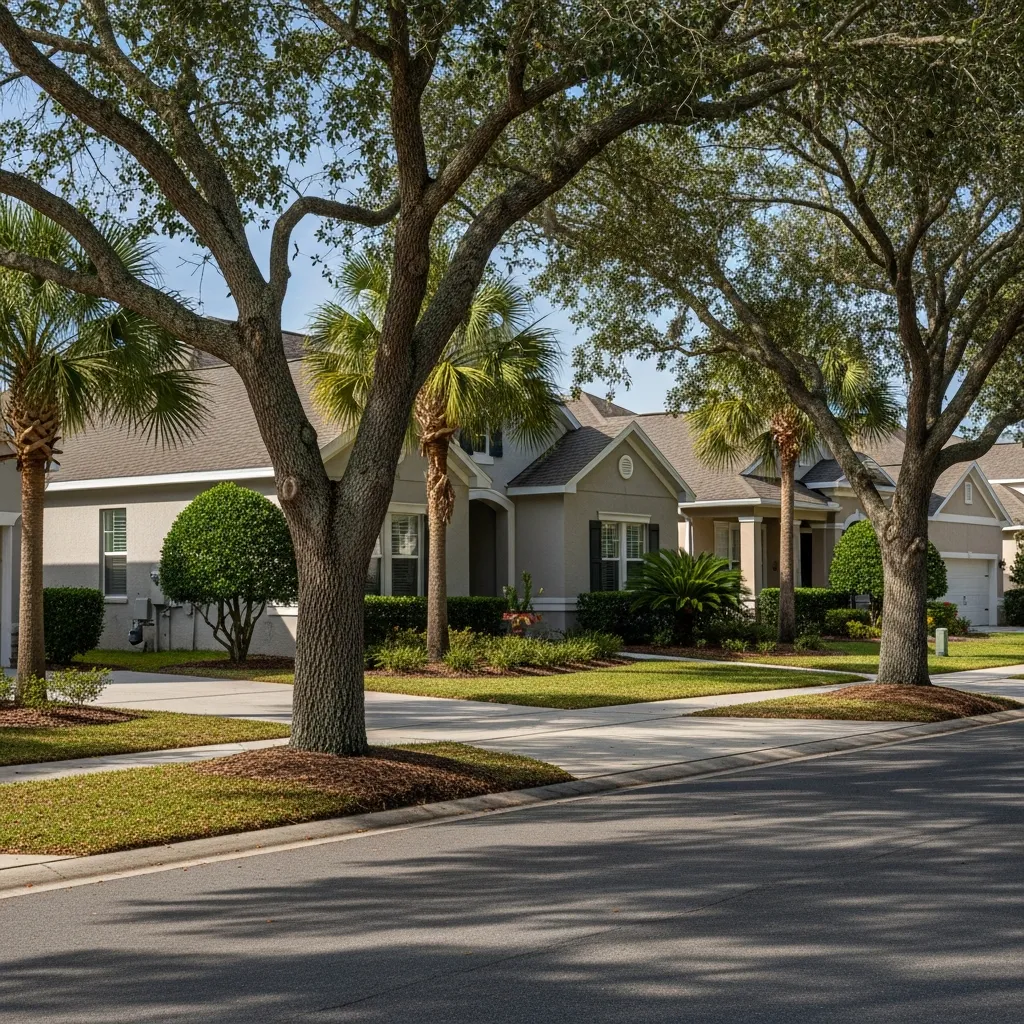
How to Choose the Right Northeast Florida Community Before You Fall in Love With a House
It is easy to fall in love with a house before you fully understand the community around it.
The kitchen looks right.
The photos are beautiful.
The floor plan works.
The price seems possible.
The backyard feels perfect.
But a home does not exist by itself.
The community, county, commute, schools, fees, amenities, growth, traffic, and daily routine all affect how that home feels after closing.
That is why choosing the right Northeast Florida community should come before falling in love with a house.
Whether you are comparing Nocatee, SilverLeaf, Rivertown, World Golf Village, Mandarin, Ponte Vedra, Jacksonville Beach, St. Augustine, St. Johns County, Duval County, or Clay County, the goal is not just to find a house you like.
The goal is to find the right long-term fit.
Here is how to compare communities before the house takes over the decision.
Start with how you want daily life to feel
Before looking too closely at houses, think about the daily life you want.
Do you want a quiet neighborhood?
Do you want a highly active community?
Do you want sidewalks, trails, and amenities?
Do you want beach access?
Do you want river access?
Do you want more space?
Do you want a shorter commute?
Do you want newer construction?
Do you want an established neighborhood with mature trees?
These questions matter because the same house could feel very different depending on where it is located.
A beautiful home in the wrong location may not feel like the right move six months later.
Start with lifestyle first.
Then compare homes.
Compare counties before comparing communities
In Northeast Florida, county choice can shape the entire search.
St. Johns County, Duval County, and Clay County can each offer a different version of Northeast Florida living.
St. Johns County may appeal to buyers who want newer master-planned communities, St. Augustine or Ponte Vedra access, school-focused searches, amenities, and long-term growth.
Duval County may appeal to buyers who want Jacksonville access, established neighborhoods, more variety, Mandarin, Jacksonville Beach, or a shorter commute to certain employment centers.
Clay County may appeal to buyers who want more value, more space, a different pace, or a practical alternative to higher-priced areas.
Before narrowing down to one neighborhood, understand which county fits your budget, commute, lifestyle, and long-term plan.
Do not choose a community based only on reputation
Some communities have strong name recognition.
That can be useful, but it can also distract buyers.
A popular community is not automatically the right community for you.
Before choosing based on reputation, ask:
Does the commute work?
Does the monthly cost fit?
Do the fees make sense?
Do I like the lifestyle?
Will I use the amenities?
Does the home type fit my needs?
Does the area support my daily routine?
Is the location practical for work, school, and activities?
Does the community still fit if the market changes?
A community can be highly desirable and still not be the right fit for your life.
School zoning should be verified early
For families, school zoning is often one of the biggest factors in choosing a community.
But school zoning should never be assumed from a community name, listing description, or map search.
School assignments are address-specific and can change.
Before making an offer, verify zoning directly with the appropriate school district.
Also think about the full routine:
School drop-off
Pickup traffic
Bus availability
Before-care
After-care
Sports and activities
Private school proximity
Future school progression
Commute after drop-off
The assigned school matters, but the daily schedule matters too.
Commute should be tested, not guessed
A community can look convenient on a map and feel very different during real traffic.
Before choosing, test the routes you will actually use.
That may include:
Morning commute
Afternoon commute
School routes
Activity routes
Grocery trips
Medical appointments
Airport access
Beach access
I-95 access
JTB access
County Road 210
State Road 16
Weekend traffic
Drive the route at realistic times.
A 20-minute drive on a quiet weekend may not represent a weekday morning.
If commute matters to your quality of life, do not guess.
Understand the full monthly cost
The right community should fit your budget beyond the purchase price.
When comparing communities, look at the full monthly cost.
That may include:
Mortgage payment
Property taxes
Homeowners insurance
Flood insurance, if applicable
HOA fees
Utilities
Lawn care
Pool maintenance
Pest control
Commute costs
Future repairs
Amenity fees, if applicable
A home with a lower purchase price may not always have the lower monthly cost.
A home with higher fees may still be worth it if the amenities, location, and lifestyle fit.
The key is understanding the full picture before choosing.
Decide how much community structure you want
Some buyers want a highly planned community with amenities, events, rules, and a consistent neighborhood feel.
Others want fewer rules, more flexibility, larger lots, or a more established setting.
Neither is wrong.
Before choosing a community, ask yourself:
Do I want an HOA?
Am I comfortable with architectural rules?
Do I want community amenities?
Do I want organized events?
Do I want golf cart paths or trails?
Do I want more privacy?
Do I want more land?
Do I want less structure?
Do I want a newer or more established feel?
A master-planned community can be a great fit for some buyers.
An established neighborhood can be a better fit for others.
Compare amenities by actual use
Amenities can be a major selling point, but they only matter if they fit your life.
Before paying for a community lifestyle, ask:
Will I use the pool?
Will I use the fitness center?
Will I use trails or parks?
Will my kids use the playgrounds?
Will we attend events?
Is golf cart access important?
Are amenities close enough to use often?
Are they crowded when I would go?
Are they included or separate?
Do the amenities justify the fees?
A long amenity list is not the same as real value.
The best amenities are the ones that support your actual routine.
Think about new construction vs. resale within each community
Some communities are heavily new construction. Others are mostly resale. Some offer both.
New construction may appeal if you want:
Modern floor plans
Builder warranty
Newer systems
Design choices
Builder incentives
Lower immediate maintenance
Community amenities
Resale may appeal if you want:
Established landscaping
Finished outdoor spaces
Fencing
Window treatments
Mature trees
A quicker move
A more established neighborhood feel
Existing upgrades
Before choosing a community, understand whether the available homes match your timeline, budget, and maintenance comfort level.
A community may be right, but the available inventory may not be.
Pay attention to growth and future development
Growth can be exciting, but buyers should understand what is coming.
In Northeast Florida, many communities are still evolving.
Before choosing a community, ask:
Is the area still being built out?
Are future phases planned?
Is commercial development coming?
Are roads changing?
Are schools expanding?
Are amenities complete?
Will future construction be near the home?
Will growth improve convenience?
Will growth add traffic?
How might future inventory affect resale?
Growth is not automatically good or bad.
It should simply be part of the decision.
Look at home condition by community type
The condition concerns may differ depending on the community.
In newer communities, buyers may focus on:
Builder quality
Warranty
Drainage
Grading
Lot location
Future construction
Included features
Upgrade costs
Inspection opportunities
In established communities, buyers may focus on:
Roof age
HVAC age
Water heater age
Plumbing
Electrical systems
Exterior condition
Moisture signs
Windows and doors
Drainage
Prior updates
Insurance considerations
The community may guide the lifestyle, but the specific home still needs careful review.
Visit at different times
A neighborhood can feel different depending on the day and time.
Before choosing, try to visit:
Weekday morning
Weekday afternoon
Evening
Weekend morning
Weekend afternoon
During school pickup if relevant
During commute hours
During community events if possible
Pay attention to:
Traffic
Noise
Parking
Activity level
How people use the amenities
How the neighborhood feels
Whether it feels too busy, too quiet, or just right
Online research is useful, but it cannot replace seeing the community in real life.
Compare resale potential before you buy
Even if you plan to stay for years, resale should still be part of the decision.
A strong resale position may include:
Good lot location
Functional floor plan
Reasonable fees
Strong community demand
Good condition
Practical commute
Desirable school zoning
Flexible home style
Balanced price point
Amenities buyers value
Limited major objections
A great house in a difficult location, with high fees, poor lot placement, or awkward layout may be harder to sell later.
The right community should work for you now and make sense for a future buyer.
Do not let one feature make the whole decision
A beautiful kitchen, pool, view, or upgraded bathroom can pull buyers in emotionally.
But one feature should not override the bigger decision.
Before making an offer, ask:
Would I still choose this community without that feature?
Does the commute still work?
Does the payment still feel comfortable?
Do the fees make sense?
Does the location fit our life?
Is the home condition strong?
Does the resale picture make sense?
Am I choosing this home because it is right or because one feature distracted me?
A standout feature can be a bonus.
It should not be the entire strategy.
Build your community shortlist before touring heavily
One of the best ways to avoid confusion is to build a community shortlist before touring too many homes.
Start with three to five realistic areas.
Compare:
County
Commute
Budget
Schools
Fees
Amenities
New construction options
Resale options
Lifestyle
Growth
Long-term fit
Then focus your home search inside the communities that actually fit.
This keeps the search clearer and reduces the chance of falling for a house in the wrong location.
My practical take
Choosing the right Northeast Florida community is one of the most important parts of the buying process.
The house matters, but the community shapes daily life.
Before falling in love with a home, compare county, commute, schools, fees, amenities, growth, home options, condition, and resale potential.
The goal is not to pick the community everyone talks about.
The goal is to choose the place that fits your life after closing.
That is how you make the right move - not just any move.
FAQs
How do I choose the best Northeast Florida community?
Start by comparing your budget, commute, schools, lifestyle, fees, amenities, home options, and long-term plans. The best community is the one that fits your daily life.
Should I choose the house or the community first?
Ideally, choose the community first. A beautiful house in the wrong location can create daily frustration after closing.
What Northeast Florida communities should buyers compare?
Common comparisons include Nocatee, SilverLeaf, Rivertown, World Golf Village, Mandarin, Ponte Vedra, Jacksonville Beach, St. Augustine, St. Johns County, Duval County, and Clay County.
Are master-planned communities worth it?
They can be worth it if you value amenities, structure, trails, parks, events, and a planned neighborhood feel. They may not be the best fit if you want fewer rules, more privacy, or lower fees.
What should I verify before making an offer?
Verify school zoning, commute, HOA fees, CDD fees, insurance, flood zone, taxes, amenities, community rules, and home condition before making an offer.
If you are starting a Northeast Florida home search, start with the community before the house. A clear community strategy can keep you focused, protect your budget, and lead you toward a home that fits your life beyond the closing day.
Source: Local Northeast Florida buyer, community comparison, new construction, resale, school-zone verification, HOA/CDD, and relocation planning context as of August 2026.