
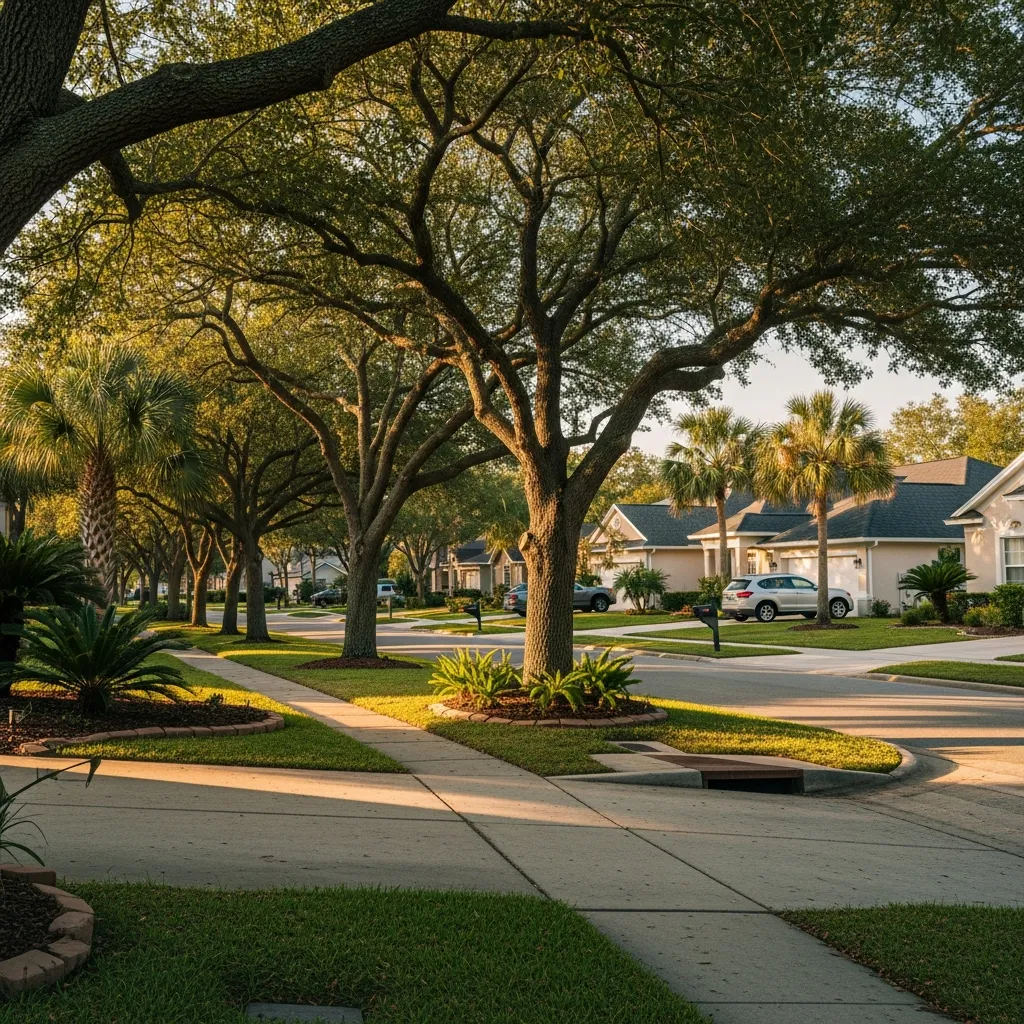
Moving to Northeast Florida With Kids: How to Compare Schools, Commute, and Lifestyle
Moving to Northeast Florida with kids adds another layer to the home search.
It is not just about finding the right house.
It is about finding the right daily routine.
For many families, the decision includes schools, commute, activities, neighborhood feel, safety, budget, home size, outdoor space, and how life will actually function once everyone is settled.
That is why families moving to Northeast Florida often compare areas like St. Johns County, Duval County, Clay County, Nocatee, SilverLeaf, Rivertown, World Golf Village, Mandarin, Ponte Vedra, Jacksonville Beach, and St. Augustine before deciding where to focus.
Each area can offer something different.
The key is not choosing the community that sounds best online.
The key is choosing the one that fits your family’s real life.
Here is how to compare schools, commute, and lifestyle before choosing a home in Northeast Florida.
Start with the daily routine
Before looking at houses, think through the routine your family needs.
A home can be beautiful and still make daily life harder than it needs to be.
Ask yourself:
Where will the kids go to school?
How long is the morning drive?
How long is the afternoon drive?
Where do you work?
Are there after-school activities?
How far are sports, dance, swim, tutoring, or camps?
Who handles pickup and drop-off?
Do you need before-care or after-care?
How close do you want to be to grandparents, friends, or support?
What does a normal weekday look like?
What does a normal weekend look like?
These questions may sound basic, but they often reveal which areas actually make sense.
A house that adds 30 minutes to every school or activity drive may not feel like the right move after the excitement wears off.
School zoning should always be verified by address
Schools are a major factor for many families moving to Northeast Florida.
But school zoning should never be assumed based on a neighborhood name, listing description, map search, or general community reputation.
School assignments are address-specific, and boundaries can change.
Before making an offer, verify school zoning directly with the appropriate school district.
This matters in every county.
A home in St. Johns County may not automatically be zoned the way a buyer expects. A home in Duval County may be in a school zone that varies from one street to another. A home near a county line may require extra attention. A home marketed near a popular community may not always have the school assignment buyers assume.
If schools are a major reason for the move, verify early.
Do not wait until you are already emotionally attached to the house.
Compare the full school routine, not just the assigned school
The assigned school is important, but it is only one part of the decision.
Families should also compare:
Drive time
Bus availability
Before-care and after-care options
Pickup and drop-off traffic
Activity schedules
Sports locations
Private school options
Charter or magnet options, if relevant
Preschool or childcare needs
Middle school and high school progression
Future boundary changes
School calendar and commute timing
Sometimes a home is technically zoned for the school a family wants, but the daily logistics are harder than expected.
For families with younger children, also think beyond the current grade.
A home that works for kindergarten may need to work for elementary, middle, and high school too.
St. Johns County often enters the conversation for families
St. Johns County is one of the most common areas families ask about when moving to Northeast Florida.
Many buyers consider it because of its schools, newer communities, master-planned neighborhoods, parks, suburban feel, and access to areas like Nocatee, SilverLeaf, Rivertown, World Golf Village, Ponte Vedra, and St. Augustine.
St. Johns County may be a strong fit for families who want:
Newer homes
Master-planned communities
Neighborhood amenities
Parks and trails
St. Johns County school focus
Suburban lifestyle
New construction options
Community events
Access to St. Augustine or Ponte Vedra
Growth-area living
But families should still compare commute, traffic, CDD or HOA fees, home prices, and daily logistics.
A community may look perfect online but feel different during school drop-off, evening traffic, or weekend errands.
Duval County can offer more variety
Duval County includes Jacksonville and a wide range of neighborhoods, which can give families more flexibility.
For some families, Duval County may offer a better fit because of commute, price point, established neighborhoods, access to work, private school proximity, or lifestyle preferences.
Areas like Mandarin and Jacksonville Beach can appeal to very different buyers.
Mandarin may offer an established residential feel, mature trees, river proximity, and access to both Jacksonville and northern St. Johns County.
Jacksonville Beach may appeal to families who want a more coastal lifestyle, beach access, and a different kind of daily routine.
Duval County may be a strong fit for families who want:
Jacksonville job access
Established neighborhoods
More price variety
Shorter commute to city employment centers
Private school proximity
Coastal options
Mandarin lifestyle
Urban, suburban, or beach-area flexibility
Older homes with character
More neighborhood variety
The right Duval County choice depends heavily on the specific neighborhood.
Clay County can be worth considering for value and lifestyle
Clay County may appeal to families who want more value, more space, or a different pace while still staying connected to Northeast Florida.
Depending on the area, buyers may consider Clay County for:
Affordability
Larger lots in some neighborhoods
Family-oriented communities
Access to parks and outdoor recreation
Newer development in some areas
Established neighborhoods
A different commute pattern
More space for the budget
Clay County may be especially worth comparing if St. Johns County pricing feels stretched or if Duval County does not fit the lifestyle a family wants.
As with any area, the details matter. Commute, schools, insurance, home condition, and neighborhood fit should all be reviewed carefully.
Compare community amenities based on how your family lives
Amenities can make a big difference for families, but only if they are amenities you will actually use.
Before choosing a community, ask:
Is there a pool?
Are there parks or playgrounds?
Are there trails or sidewalks?
Are there sports fields nearby?
Are community events important to you?
Is there room to bike or walk?
Is golf cart access important?
Are amenities close to the home?
Are amenities included in the HOA or separate?
Are they crowded when your family would use them?
Does the cost match the value?
A family that loves outdoor activities may value trails, parks, and open space.
A family with young children may prioritize playgrounds, sidewalks, and proximity to schools.
A family with older kids may care more about sports, commute, privacy, and space.
The best community is not the one with the longest amenity list. It is the one with amenities your family will actually use.
Think about after-school activities before choosing a home
For families, activities can shape the weekly schedule just as much as school.
Before choosing a home, consider the distance to:
Swim practice
Soccer fields
Baseball or softball fields
Dance studios
Gymnastics
Martial arts
Tutoring
Music lessons
Camps
Church activities
Friends and family
Beaches, parks, or boat ramps
Medical appointments
This is especially important in Northeast Florida because the region is spread out.
A home may be in a great community, but if every activity requires a long drive, the routine may feel harder than expected.
Commute should include more than work
Many buyers think of commute as the drive to work.
Families need to think broader than that.
Your real commute may include:
School drop-off
School pickup
Work
Activities
Grocery stores
Medical appointments
Weekend errands
Airport access
Family visits
Beach trips
Sports tournaments
Camps
A good location should support the life you actually live.
Before making an offer, drive the routes at realistic times. The school route at 10:00 a.m. may not tell you much about what it feels like at 7:20 a.m.
New construction can be appealing for families
New construction can be attractive for families moving to Northeast Florida because it may offer modern layouts, open living spaces, newer systems, warranties, community amenities, and homes designed around current lifestyle preferences.
Families may like:
Open kitchens
Larger pantries
Drop zones
Flex rooms
Loft spaces
Split bedrooms
Newer HVAC and roof
Builder warranty
Neighborhood amenities
Sidewalks and parks
Energy-efficient features
But new construction still needs careful review.
Buyers should compare:
Builder incentives
Final price after upgrades
Lot premiums
HOA and CDD fees
Timeline
School zoning
Commute
Future construction nearby
Warranty details
Inspection opportunities
Long-term resale competition
A new home can be a great fit, but the full picture still matters.
Resale homes can offer advantages too
Resale homes can also be a strong fit for families.
Depending on the neighborhood, a resale home may offer:
Established landscaping
Fenced yard
Window treatments
Mature trees
Larger lots
Existing improvements
Shorter move-in timeline
Established neighbors
Known traffic patterns
Existing outdoor spaces
More character
Location closer to work or school
Resale homes may also require more attention to condition, including roof age, HVAC age, plumbing, electrical systems, drainage, exterior maintenance, and insurance considerations.
The best choice depends on budget, timeline, lifestyle, and tolerance for maintenance.
Budget should include more than the house payment
When moving with kids, budget is not only about the mortgage.
Families should also consider:
Property taxes
Homeowners insurance
Flood insurance, if applicable
HOA fees
CDD fees
Utilities
Lawn care
Pest control
Pool maintenance
School-related expenses
Activity costs
Commute costs
Furniture
Window treatments
Repairs
Emergency fund
A home that looks affordable based on price alone may feel tighter once the full monthly cost is included.
This is especially important in newer communities where HOA and CDD fees may be part of the decision.
Think about the next five years
Families often shop for the home they need right now.
But it is worth thinking about the next five years.
Ask:
Will the bedrooms still work?
Will the yard still work?
Will school progression still work?
Will the commute still work?
Will the neighborhood fit as the kids get older?
Will you need more privacy?
Will you need more storage?
Will activities change?
Will resale demand likely remain strong?
Will the community still fit your lifestyle?
No one can predict everything, but a little forward thinking can prevent a rushed move later.
Do not choose a community based only on online reputation
Online research is useful, but it cannot replace real-life comparison.
A community may be popular, but it may not be the right fit for your family.
Before deciding, visit at different times:
Morning commute
Afternoon school pickup
Weekday evening
Weekend morning
Weekend afternoon
During community events if possible
Pay attention to how it feels.
Are people outside?
Are kids playing?
Is traffic manageable?
Are the amenities convenient?
Does the neighborhood feel too busy, too quiet, or just right?
Can you picture your family’s routine there?
That real-world perspective matters.
My practical take
Moving to Northeast Florida with kids is not just a real estate decision. It is a lifestyle decision.
The right home should support your family’s daily rhythm, not just look good online.
Compare schools by exact address. Test the commute. Think through activities. Review total monthly cost. Compare new construction and resale. Look beyond the house and pay attention to how the community will function for your family after closing.
The goal is not to chase the most popular area.
The goal is to choose the right fit for your family’s next chapter.
FAQs
Where should families move in Northeast Florida?
It depends on budget, commute, schools, lifestyle, and home preferences. Many families compare St. Johns County, Duval County, Clay County, Nocatee, SilverLeaf, Rivertown, World Golf Village, Mandarin, Ponte Vedra, Jacksonville Beach, and St. Augustine.
Should I choose a home based on school zoning?
School zoning can be important, but it should be verified by exact address. Families should also compare drive time, activities, before-care, after-care, and the full daily routine.
Is new construction better for families?
New construction can be appealing because of modern layouts, warranties, and community amenities. Resale homes may offer stronger locations, established neighborhoods, fencing, mature trees, or larger lots. The better choice depends on the family.
What should families compare before moving?
Families should compare schools, commute, activities, monthly cost, home size, yard space, neighborhood feel, amenities, county, fees, and long-term fit.
Is St. Johns County better than Duval County for families?
Not automatically. St. Johns County may appeal to families focused on newer communities and school zoning. Duval County may appeal to families who want Jacksonville access, more neighborhood variety, or established areas.
If you are moving to Northeast Florida with kids, start with daily life first. Once you understand your school needs, commute, activities, budget, and lifestyle priorities, the right community becomes much easier to recognize.
Source: Local Northeast Florida family relocation, school-zone verification, community, and buyer-planning context as of August 2026.