
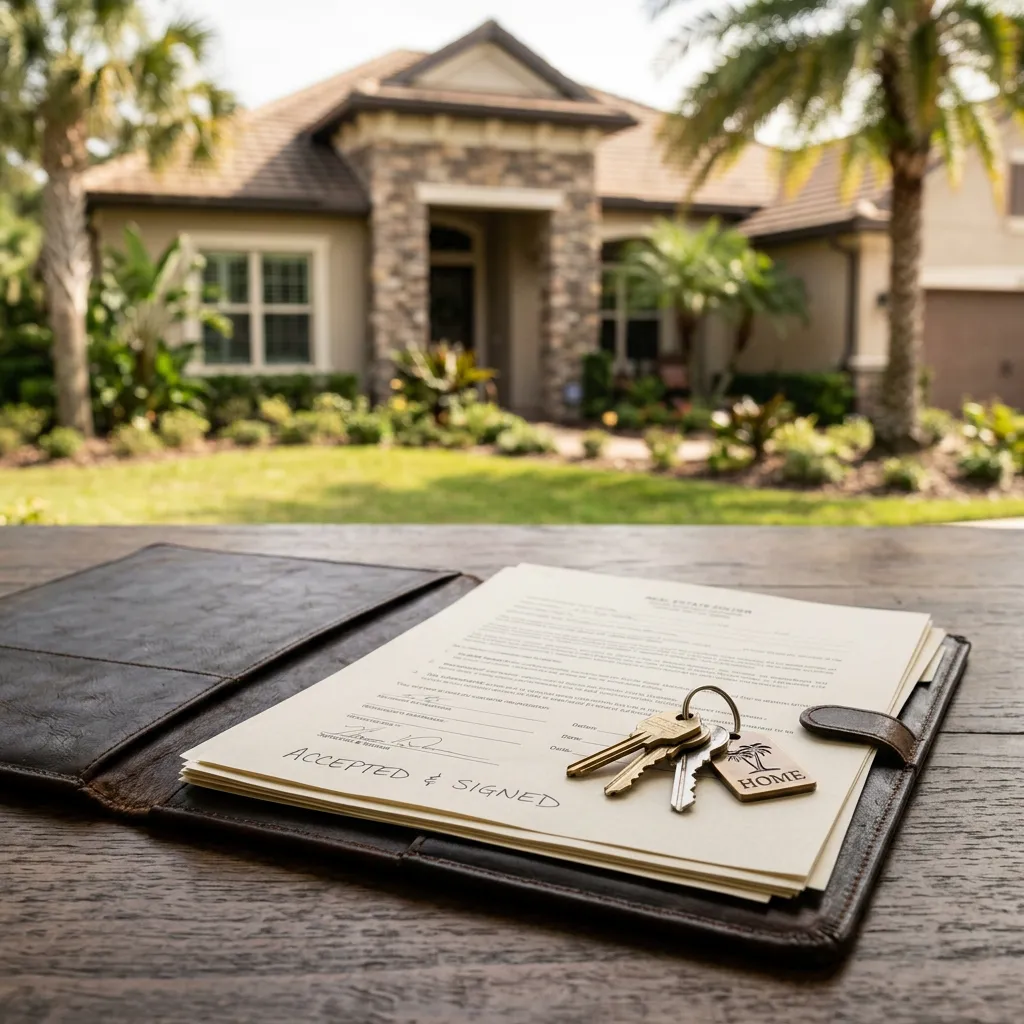
What Happens After Your Offer Is Accepted on a Florida Home?
Getting an offer accepted is exciting. After searching, comparing homes, running numbers, and negotiating terms, you finally hear the words you have been waiting for: the seller accepted your offer.
But an accepted offer is not the finish line.
It is the beginning of the contract-to-closing period, and several important things may happen between the day the contract becomes effective and the day you receive the keys.
For buyers, understanding what comes next can make the process feel much less overwhelming. It also helps you recognize which deadlines and decisions need your attention along the way.
The exact steps and timelines depend on your contract, financing, property, and transaction, but here is what a typical Florida buyer can expect after an offer is accepted.
First, Make Sure You Understand Your Contract Deadlines
Once the offer has been accepted and the contract becomes effective, the dates in the agreement matter.
Depending on your contract, those may include deadlines related to:
Initial deposit
Additional deposit, if applicable
Inspections
Loan application
Financing approval
Appraisal
HOA or condominium documents
Title review
Insurance
Closing
Other negotiated terms
This is one reason it is important not to think of an accepted offer as a time to stop paying attention.
Your real estate professional, lender, title or closing company, inspector, and other professionals may all be working on different parts of the transaction at the same time.
Knowing what is due and when helps keep the transaction moving.
Your Escrow Deposit Is Usually One of the First Steps
The purchase contract may require you to make a deposit shortly after the contract becomes effective.
You may hear this called an escrow deposit, earnest money deposit, or simply the deposit.
The money is generally held by the escrow agent identified in the contract rather than being paid directly to the seller.
The amount and deadline depend on the agreement you signed.
Follow the instructions provided by your real estate professional and closing or escrow agent carefully, especially when wiring funds.
Real estate transactions can be targets for wire fraud, so never rely on unexpected emailed wiring instructions without independently verifying them through a trusted phone number.
Schedule the Home Inspection Promptly
For many buyers, the inspection period is one of the most important parts of the transaction.
This is when you have an opportunity to learn more about the property's condition beyond what you could see during a showing.
A general home inspection may evaluate visible and accessible components such as:
Roof
HVAC
Electrical
Plumbing
Water heater
Appliances
Windows and doors
Attic
Exterior
Foundation or structural observations
Drainage
Interior components
Depending on the home, additional inspections or evaluations may also make sense.
In Northeast Florida, buyers may need to consider items such as wood-destroying organisms, septic systems, wells, pools, seawalls, stucco or moisture concerns, roofs, older electrical systems, or other property-specific conditions.
The goal is not necessarily to find a perfect home.
The goal is to understand the home you are buying.
The Inspection Report Is Information, Not a Repair List
A home inspection report can be long.
That does not automatically mean the house is in terrible condition.
Inspectors often document everything from small maintenance items to significant defects. Part of the buyer's job is understanding which findings matter most.
I generally think about inspection findings in terms of:
Safety concerns
Insurance concerns
Major systems
Water or moisture issues
Structural concerns
Immediate repair needs
Deferred maintenance
Minor or cosmetic items
What happens after the inspection depends heavily on the contract you signed.
Different Florida contracts can give buyers and sellers different rights and obligations regarding inspections, repairs, cancellation, or negotiations.
This is why the exact contract matters more than a general rule you may have heard from someone else.
This Is Also a Good Time to Get Serious About Homeowners Insurance
Do not wait until the day before closing to investigate insurance.
Once you are under contract, start obtaining quotes and providing insurers with the information they request.
The cost and availability of homeowners insurance can be affected by factors such as:
Roof age and condition
Electrical system
Plumbing
Water heater
Wind-mitigation features
Construction type
Flood exposure
Prior claims
Property age
Inspection results
Depending on the property's age and characteristics, an insurer may request additional inspections or reports.
This is particularly important in Florida because insurance can meaningfully affect your total monthly housing expense.
A house that looked affordable based on principal and interest alone may feel different once taxes, homeowners insurance, flood insurance when applicable, HOA dues, and CDD assessments are included.
If You Are Financing, Your Lender Gets Busy Too
Once you are under contract, your lender will need the signed contract and additional information to continue processing the loan.
This is not the time to disappear on your lender.
Respond quickly when the lender requests documents or explanations.
You may be asked for updated:
Bank statements
Pay documentation
Tax documents
Employment information
Insurance information
Explanation of deposits
Other underwriting documentation
Your lender may also order an appraisal as part of the loan process.
Throughout this period, avoid making major financial changes without discussing them with your lender first.
Opening new credit, financing a vehicle, moving large amounts of money, changing employment, or making large purchases can potentially affect loan underwriting.
The safest approach is simple: if you are considering a financial move before closing, ask your lender before doing it.
The Appraisal Is Different From the Inspection
Buyers sometimes confuse the appraisal with the home inspection, but they serve different purposes.
The inspection is primarily about helping you understand the physical condition of the property.
The appraisal is generally ordered as part of the lender's process to evaluate the property's value for the loan.
An appraiser considers the property and relevant market data to develop an opinion of value.
If the appraisal supports the contract price and there are no other appraisal-related issues, the transaction generally continues through the financing process.
If the appraisal comes in below the contract price, the next steps depend on the contract, financing, available cash, and what the buyer and seller are willing or required to do.
That is another reason the financing and appraisal language in your specific contract matters.
Title Work Happens Behind the Scenes
While inspections and financing are taking place, title work is typically being completed as well.
The title or closing company may review public records and identify items that could affect ownership or transfer of the property.
Depending on the transaction, that can involve matters such as:
Existing mortgages
Liens
Judgments
Ownership records
Easements
Restrictions
Other recorded documents
The goal is to make sure the property can be transferred according to the contract and that title-related requirements are addressed before closing.
You may also receive documents from the title or closing company that require review or signatures during the transaction.
Do not assume something is unimportant simply because it arrives electronically.
If you do not understand a document, ask.
HOA and Condominium Communities May Add Another Layer
If the property is located within an HOA or condominium association, there may be additional documents, fees, applications, approvals, or community requirements.
Buyers should understand things such as:
HOA or condominium dues
Rules and restrictions
Approval requirements
Transfer or application fees
Special assessments
Rental restrictions
Parking restrictions
Pet rules
Maintenance responsibilities
Community-specific requirements
For homes in master-planned communities, buyers may also need to understand how HOA fees and CDD assessments fit into the overall cost of ownership.
This is especially relevant when comparing communities throughout St. Johns County and other growing parts of Northeast Florida.
Your Loan Moves Through Underwriting
If you are obtaining a mortgage, your file will move through underwriting.
The underwriter reviews the information supporting the loan and determines whether the loan meets the lender's requirements.
It is common for an underwriter to request additional documents or clarification.
That does not automatically mean something is wrong.
The key is to respond quickly and accurately.
As you move toward closing, the lender works toward final loan approval, sometimes called clear to close.
Do not confuse being preapproved at the beginning of the search with receiving final approval for the specific property and transaction.
They are different stages of the process.
Keep Track of the Numbers as Closing Gets Closer
As the transaction progresses, the estimated numbers become more precise.
Your lender and closing company will work through items such as:
Purchase price
Loan amount
Down payment
Deposits already paid
Lender costs
Title-related charges
Prepaid items
Taxes
Insurance
HOA or association charges
Seller credits, when applicable
Other closing costs
For most mortgage transactions subject to federal disclosure rules, buyers receive a Closing Disclosure before closing showing the final loan terms, monthly payment information, and closing costs. Federal rules generally require the lender to provide it at least three business days before closing so the borrower has time to review the figures.
Do not glance at it and assume everything is correct.
Review it.
Compare the numbers with what you were expecting and ask questions if something looks different.
Do Not Forget the Final Walkthrough
Shortly before closing, buyers generally have an opportunity to conduct a final walkthrough.
The final walkthrough is not another full home inspection.
It is an opportunity to confirm that the property's condition is generally consistent with what was agreed upon and that negotiated items have been handled.
Depending on the transaction, buyers may look for things such as:
Agreed repairs completed
Seller's belongings removed as required
Items that were supposed to remain still present
No obvious new damage
Major systems still functioning
Property condition consistent with expectations
The CFPB specifically recommends conducting a final walkthrough before signing closing documents so buyers can verify that agreed repairs and included items are in place.
If something is wrong, address it before simply assuming it can be worked out later.
Verify Wiring Instructions Before Sending Closing Funds
As closing approaches, you may need to send funds for your cash to close.
This is one of the moments when extra caution matters.
Wire fraud involving real estate transactions is a serious risk.
If wiring instructions are provided, independently verify them with the title or closing company using a known telephone number.
Do not trust a last-minute email telling you the wiring instructions changed.
Do not call a number contained only in a suspicious email.
A few minutes spent verifying information is well worth it when significant money is involved.
Closing Day Is the Final Step
By closing day, much of the work has already happened.
You have likely completed inspections, worked through financing, arranged insurance, reviewed title information, completed the walkthrough, and received your final figures.
At closing, the required documents are signed and funds are handled according to the transaction.
For financed purchases, closing documents can include the promissory note, mortgage or security instrument, deed, Closing Disclosure, and other transaction-specific documents.
Ask questions about anything you do not understand before signing.
Buying a home is too significant a transaction to feel embarrassed about asking for an explanation.
Then You Get the Keys, but Keep Your Documents
Once the transaction has closed and ownership has transferred, keep your important documents somewhere secure.
That includes items such as:
Closing Disclosure
Settlement or closing documents
Inspection reports
Insurance information
Survey, if applicable
HOA or condominium information
Home warranties
Repair documentation
Appliance or equipment information
Some of these records may be useful later for taxes, insurance, maintenance, refinancing, or eventually selling the property.
The CFPB specifically recommends retaining your Closing Disclosure because it can be useful for future financial and tax-related purposes.
An Accepted Offer Is When the Strategy Becomes Execution
Finding a home is only one part of buying it.
Once your offer is accepted, the transaction shifts from searching and negotiating into inspections, financing, insurance, title, deadlines, documentation, and closing preparation.
A strong process helps keep all of those moving pieces organized.
That is also why preparation before making an offer matters so much. If you already understand your financing, budget, insurance considerations, inspection priorities, and contract strategy, you can spend the contract period making informed decisions instead of trying to learn everything under pressure.
Getting an offer accepted should feel exciting. Knowing what happens next helps you stay organized, make informed decisions, and ultimately make the right move - not just any move.
Sources: Consumer Financial Protection Bureau, Closing on Your New Home and Mortgage Closing Resources. Contract rights, deadlines, inspection provisions, and closing procedures vary by transaction and the agreement used.