
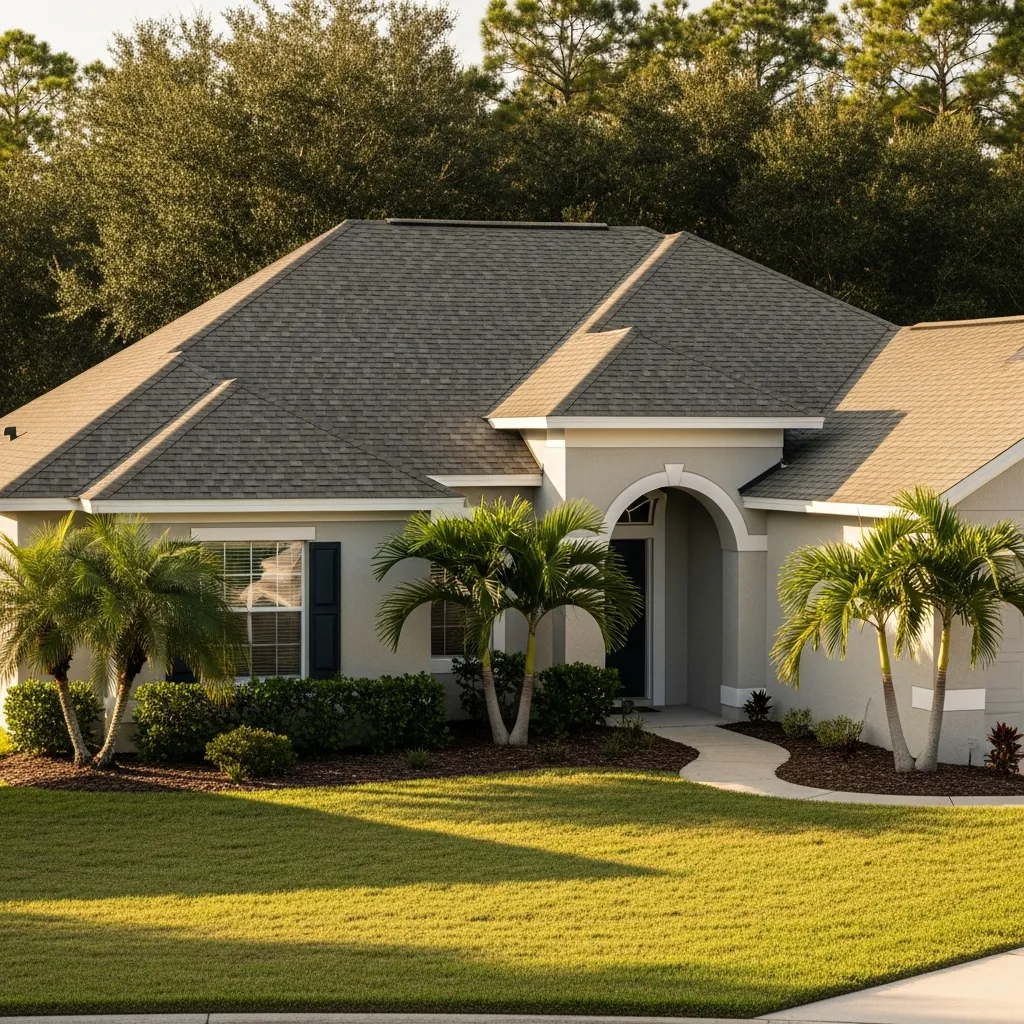
What Northeast Florida Buyers Should Know About Roof Age and Home Insurance
Roof age is one of the most important things Northeast Florida buyers should understand before making an offer on a home.
It affects more than inspection notes.
It can affect homeowners insurance, monthly payment, repair negotiations, closing confidence, resale planning, and long-term ownership costs.
In Florida, a roof is not just a roof. It is part of the insurance conversation.
That does not mean buyers should automatically avoid homes with older roofs. It means buyers need to understand the roof’s age, condition, material, documentation, and how insurance may view the property before they get too far into the process.
Here is what buyers should know about roof age and home insurance in Northeast Florida.
Roof age matters because insurance matters
In many markets, buyers think about the roof mainly as a maintenance item.
In Florida, roof age can also become an insurance issue.
Homeowners insurance carriers may look closely at roof age, roof material, condition, prior claims, wind mitigation features, and whether the roof appears well maintained.
This matters because insurance is part of the full monthly cost of owning the home.
A home with an older roof may still be insurable, but the buyer needs to understand the potential cost, coverage options, and underwriting concerns early.
Do not wait until the end of the contract period to ask insurance questions.
Know the roof age before making an offer
Before making an offer, buyers should try to understand:
Roof age
Roof material
Permit history
Any prior roof repairs
Whether the roof has active leaks
Whether there has been storm damage
Whether there are visible issues
Whether there are transferable warranties
Whether insurance documentation is available
Whether a wind mitigation report exists
Sometimes the listing may include roof age. Sometimes it may not.
If the roof age is unclear, buyers should ask early.
Roof age may affect insurance, negotiation strategy, inspection expectations, and future budgeting.
Florida has specific roof-age insurance rules
Florida law includes protections related to roof age, but buyers should still be careful.
Under Florida Statute 627.7011, an insurer may not refuse to issue or renew a homeowner’s insurance policy solely because the roof is less than 15 years old based only on roof age.
For a roof that is at least 15 years old, the insurer must allow the homeowner to have an authorized roof inspection performed at the homeowner’s expense before requiring replacement of the roof as a condition of issuing or renewing coverage.
That does not mean roof age never matters.
Insurers can still consider condition, damage, underwriting standards, coverage type, and other risk factors.
The practical takeaway for buyers is this: roof age matters, but roof condition and documentation matter too.
Roof condition matters as much as age
A roof’s age is important, but age alone does not tell the whole story.
Two roofs of the same age may be in very different condition.
Condition may depend on:
Roof material
Installation quality
Maintenance
Tree coverage
Storm exposure
Ventilation
Prior repairs
Drainage
Flashing
Moisture intrusion
Wind damage
Workmanship
Sun exposure
A 10-year-old roof with poor installation or damage may be more concerning than an older roof that has been well maintained and inspected.
Buyers should evaluate both age and condition.
Different roof materials may have different expectations
Roof material can affect lifespan, maintenance, insurance conversations, and repair costs.
Common roof types in Northeast Florida may include:
Asphalt shingle
Architectural shingle
Metal
Tile
Flat or low-slope roofing in some designs
Each type has different maintenance considerations.
For example, an asphalt shingle roof may be evaluated differently than a metal or tile roof. A tile roof may have durable materials but still require review of underlayment, flashing, and maintenance. A metal roof may have different installation, fastener, and condition considerations.
Buyers should not assume one roof type is automatically better.
The specific installation, age, condition, and documentation matter.
Insurance quotes should happen early
One of the smartest steps buyers can take is to get homeowners insurance quotes early in the process.
This is especially important if the home has:
Older roof
Unknown roof age
Prior claims
Coastal proximity
Flood zone concerns
Older electrical systems
Older plumbing
Older HVAC
Visible exterior issues
Prior storm damage
Unclear permits
An insurance quote can affect the buyer’s comfort with the monthly payment.
It may also reveal whether additional information, inspections, or documentation are needed.
The goal is to avoid insurance surprises close to closing.
Wind mitigation can matter
A wind mitigation inspection may identify roof and construction features that can affect insurance credits.
This may include items related to:
Roof covering
Roof deck attachment
Roof-to-wall connection
Roof shape
Secondary water resistance
Opening protection
Construction features
Not every home will qualify for the same credits.
But buyers should ask whether a wind mitigation report exists or whether one should be obtained.
In Florida, wind mitigation information can be an important part of understanding the insurance picture.
Roof permits and documentation are valuable
Documentation can make a difference.
Buyers should ask whether the seller has:
Roof permit
Roof replacement invoice
Contractor information
Warranty documents
Repair receipts
Insurance claim records, if applicable
Wind mitigation report
Four-point inspection, if applicable
Maintenance records
A roof that was recently replaced but lacks documentation may still raise questions.
A roof with clear permit history, warranty information, and supporting records may give buyers more confidence.
Documentation does not replace inspection, but it can support the due diligence process.
Inspection matters, but inspection is not the same as insurance approval
A general home inspection can identify visible roof concerns, but buyers should understand that inspection and insurance are not the same thing.
A home inspector may comment on roof condition, visible wear, damaged shingles, flashing, leaks, age, or recommended further evaluation.
An insurance carrier may still have its own underwriting requirements.
In some cases, additional roof evaluation may be needed.
Buyers should not assume that passing a general inspection automatically means insurance will be easy or affordable.
Inspection, insurance, and financing all need to line up.
Older roofs can affect negotiation strategy
If a roof is older or has visible issues, buyers may need to think carefully about the offer strategy.
Possible negotiation points may include:
Purchase price
Seller credit
Repair request
Roof replacement before closing
Insurance-related requirements
Closing timeline
Escrow options, if allowed and appropriate
Additional inspections
Contractor estimates
Future replacement budgeting
The right approach depends on the home, seller, market conditions, insurance quote, lender requirements, and buyer comfort level.
A roof issue does not always mean the buyer should walk away.
But it should be understood before moving forward.
Sellers should understand roof age too
This topic matters for sellers as well.
Before listing, sellers should know:
Roof age
Roof permit history
Any prior repairs
Whether there are active leaks
Whether documentation is available
Whether a wind mitigation report exists
Whether the roof may create buyer insurance questions
If a roof is older, it may be better to discuss strategy before listing instead of waiting for inspection or insurance to create a problem.
A seller does not always need to replace the roof before listing.
But the roof should be part of the pricing, preparation, and disclosure conversation.
Newer roofs can be a selling advantage
A newer roof can be a meaningful advantage in Florida.
It may support:
Buyer confidence
Insurance comfort
Stronger showing interest
Better market positioning
Fewer inspection concerns
More competitive pricing
Cleaner negotiation
If a seller has a newer roof, that information should be clearly documented and included in the listing strategy.
Buyers care about roof age because it affects cost and risk.
A newer roof can make the home feel more secure.
Roof age can affect resale later
Buyers should also think ahead.
If you buy a home with an older roof now, you may be the seller dealing with that roof later.
Before buying, ask:
How long do I plan to stay?
Will the roof likely need replacement while I own the home?
How much should I budget?
How will this affect resale?
Will future buyers have insurance concerns?
Does the current price reflect the roof age?
Am I comfortable with the timeline?
A roof does not need to be brand new to make sense.
But it should fit the buyer’s financial plan.
Do not rely only on online estimates
Online home searches can be useful, but they may not tell you enough about the roof.
A listing may not show roof age. A photo may not reveal condition. Public records may not always be easy to interpret. A seller may not have every document readily available.
Buyers should verify.
That may include:
Asking for roof age
Reviewing permit history
Reviewing seller disclosures
Getting insurance quotes
Using inspection periods wisely
Asking for documentation
Considering a roof specialist if concerns appear
The goal is to make a clear decision with better information.
Roof age should be part of the full ownership picture
Roof age is important, but it is not the only factor.
A buyer should also compare:
Price
Location
Insurance cost
Taxes
HOA fees
Flood zone
HVAC age
Water heater age
Plumbing
Electrical systems
Exterior condition
Moisture signs
Commute
Resale potential
A home with an older roof may still be a strong choice if the price, location, condition, and replacement plan make sense.
A home with a newer roof may still not be the right fit if other factors do not work.
Questions buyers should ask about the roof
Before moving forward with a home, buyers should ask:
How old is the roof?
What type of roof is it?
Was it permitted?
Are there warranties?
Have there been repairs?
Are there active leaks?
Has there been storm damage?
Is there a wind mitigation report?
Will insurance carriers quote the home?
Does the roof affect the monthly payment?
Does the lender have any concerns?
Should a roof specialist review it?
Does the price reflect the roof age?
What will this mean for resale?
These questions can prevent surprises and create a clearer path forward.
My practical take
Roof age matters in Northeast Florida because it connects directly to insurance, affordability, inspection, negotiation, and future resale.
Buyers should not panic over every older roof.
But they should not ignore roof age either.
A smart buyer looks at the full picture: age, condition, permits, insurance quotes, wind mitigation, inspection findings, replacement cost, and long-term plans.
That is how you make a more confident decision before closing.
FAQs
Why does roof age matter when buying a home in Florida?
Roof age matters because it can affect homeowners insurance, inspection concerns, future replacement costs, negotiation strategy, and resale value.
Can an insurance company deny coverage because of roof age?
Florida law says an insurer may not refuse to issue or renew a homeowner’s policy solely because a roof is less than 15 years old based only on age. For roofs at least 15 years old, homeowners must be allowed to obtain an authorized roof inspection before replacement is required as a condition of coverage.
Should I avoid buying a home with an older roof?
Not automatically. An older roof may still make sense if the condition, price, insurance, replacement timeline, and overall home fit work for the buyer.
Should buyers get an insurance quote before making an offer?
Buyers should understand insurance as early as possible, especially if the roof is older or the home has other insurance-related concerns.
Does a newer roof add value when selling?
A newer roof can support buyer confidence, insurance comfort, pricing strategy, and cleaner negotiations, especially in Florida.
If you are buying in Northeast Florida, roof age should be part of your early due diligence. Understanding the roof before you are deep into the contract can make the buying decision clearer, calmer, and more strategic.
Source: Florida Statute 627.7011 roof-age insurance provisions; local Northeast Florida buyer, insurance, inspection, roof condition, and resale planning context as of July 2026.