
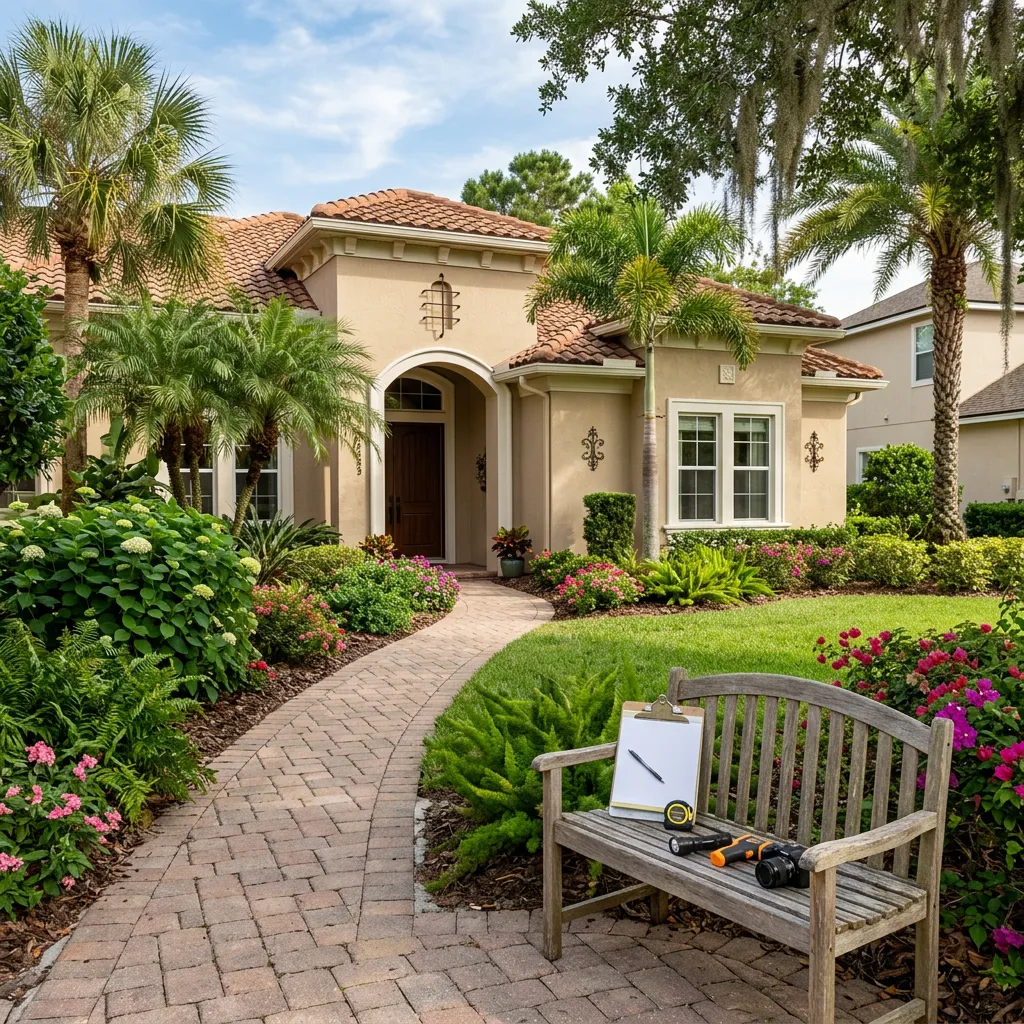
What Does “As Is” Mean When Buying a Home in Florida?
Seeing “AS IS” on a Florida listing or purchase contract can make buyers nervous.
It can sound like the seller is saying, “There may be problems with this house, and once you buy it, they are yours.”
That is not necessarily what it means.
In a Florida residential transaction, an “AS IS” contract generally means the seller is not agreeing in advance to make repairs simply because an inspection finds something wrong. At the same time, the commonly used Florida Realtors/Florida Bar “AS IS” contract gives the buyer an inspection period and, if the buyer acts within that period, a significant right to decide whether the property is acceptable.
So “AS IS” should not automatically scare a buyer away.
It should tell you that inspections, deadlines, condition, insurance, financing, and negotiation strategy deserve your full attention.
“As Is” Does Not Mean “No Inspection”
This is probably the most important misconception.
Buying a property “AS IS” does not mean you are agreeing to skip inspections.
Under the current Florida Realtors/Florida Bar “AS IS” Residential Contract for Sale and Purchase, the buyer has an inspection period specified in the contract. If that blank is left empty, the current form provides a default period of 15 days after the effective date. During that period, the buyer may conduct the inspections the buyer desires.
The actual inspection period in your transaction can be negotiated, so buyers should never assume they automatically have 15 days.
Look at the contract you actually signed.
That inspection period may be used to evaluate things such as:
Roof
HVAC
Electrical
Plumbing
Water heater
Windows and doors
Appliances
Attic
Exterior
Drainage
Moisture
Stucco or siding
Pool
Septic or well systems
Wood-destroying organisms
Seawalls, docks, or lifts when applicable
Other property-specific concerns
The purpose is not simply to create a list of defects.
It is to help you understand what you are buying before your inspection rights expire.
“As Is” Usually Means the Seller Is Not Obligated to Make Repairs
This is where the “AS IS” language matters.
Under the standard Florida Realtors/Florida Bar “AS IS” form, the buyer generally accepts the property's physical condition if the buyer continues with the transaction after the inspection period, subject to the seller's continuing contractual obligations.
That differs from a contract structure that contains specific repair obligations or repair limits.
In practical terms, an inspection may uncover a roof issue, an electrical concern, a plumbing leak, an aging HVAC system, or another defect.
The inspection itself does not automatically require the seller to fix it.
That does not necessarily mean the buyer has no options.
It means the strategy depends on the contract and what the parties are willing to negotiate.
Can a Buyer Still Ask for Repairs on an “As Is” Contract?
Yes, a buyer can ask.
The seller simply may not be contractually required to agree.
Depending on the property, market conditions, inspection results, and the specific transaction, a buyer might ask the seller to:
Complete a repair
Provide a credit
Contribute toward closing costs
Reduce the purchase price
Address an insurance-related concern
Resolve another issue before closing
The seller might agree to all of it, part of it, or none of it.
That distinction is important.
An “AS IS” contract does not necessarily prohibit further negotiation. It changes the starting point.
Instead of beginning with an assumption that the seller owes certain repairs, the parties may negotiate after the inspection if both sides want the transaction to continue.
The Buyer’s Right to Cancel Can Be Very Important
Under the Florida Realtors/Florida Bar “AS IS” contract, the buyer may determine during the inspection period, in the buyer's sole discretion, that the property is not acceptable and terminate the contract by delivering timely written notice before the inspection period expires.
When properly exercised under that provision, the buyer's deposit is returned and the parties are released from further obligations under the contract, subject to the terms of the agreement.
That is a meaningful buyer protection.
It is also extremely deadline-sensitive.
Waiting until after the inspection period expires can dramatically change your rights.
That is why inspections should be scheduled promptly rather than several days after the contract begins.
If additional specialists are needed, you want time to obtain those evaluations before the deadline.
The Inspection Period Is About More Than the General Home Inspection
A general home inspection is often the starting point.
It may not be the only investigation a particular property deserves.
Depending on the home, buyers may want additional evaluation of:
Roof
Electrical system
Plumbing
HVAC
Stucco or exterior cladding
Structural concerns
Pool equipment
Septic
Well
Sewer
Wood-destroying organisms
Mold
Seawall
Dock
Boat lift
Open permits
Insurance eligibility
This is especially important in Northeast Florida, where property age, coastal exposure, moisture, insurance requirements, and construction type can all affect the ownership picture.
If the general inspector recommends further evaluation, the inspection period is the time to decide whether that additional information matters to you.
An Inspection Report Is Not a Shopping List
Inspection reports can be long.
That alone does not mean the house is a disaster.
A report may contain maintenance recommendations, minor defects, safety concerns, aging components, cosmetic observations, and major issues all in the same document.
I would not evaluate every item equally.
Instead, consider separating the findings into categories such as:
Immediate safety issues
Insurance concerns
Major system defects
Water or moisture concerns
Structural issues
Expensive near-term replacements
Deferred maintenance
Routine maintenance
Minor or cosmetic items
A missing switch plate and a failing roof should not receive the same amount of attention simply because both appear on the report.
The goal is to understand which findings could materially affect your decision, your budget, your insurance, or your ability to close.
Insurance Can Turn a Repair Issue Into a Financing Issue
This is particularly important in Florida.
Sometimes an inspection finding is not just about whether the buyer wants something repaired.
It may affect whether the property can be insured.
A lender generally requires acceptable homeowners insurance before funding the loan.
Issues involving a roof, electrical panel, plumbing system, water heater, or certain property conditions may affect the insurance options available to a buyer.
That can create a very different conversation.
A buyer may be comfortable purchasing a home with an older component and budgeting to replace it later.
The insurance company may have a different timeline.
That is why obtaining insurance quotes early in the transaction can be so important.
You do not want to discover near the end of the inspection period that an issue you considered minor makes the policy unavailable or significantly more expensive.
“As Is” Does Not Eliminate the Seller’s Disclosure Obligations
Another major misconception is that an “AS IS” seller can simply say nothing about problems with the property.
Florida law does not work that way.
Florida Realtors explains that, under the Florida Supreme Court's decision in Johnson v. Davis, a residential seller generally has a duty to disclose known facts that materially affect the property's value when those facts are not readily observable and are not already known to the buyer. Florida Realtors also notes that this disclosure obligation can still apply when the property is sold “as is.”
The current Florida Realtors seller disclosure form similarly tells sellers they are required to disclose known material facts that are not readily observable or known to the buyer.
That does not mean the seller is guaranteeing the house.
A seller's disclosure is also not a substitute for an inspection.
It means “AS IS” does not automatically erase disclosure obligations.
A Seller’s Disclosure Is Not a Warranty
Buyers should also understand the other side of that issue.
A seller disclosure provides information based on the seller's knowledge.
It is not the same as an independent inspection.
A seller may not know that a component is failing.
A defect may not have produced visible symptoms yet.
A previous repair may appear fine to the seller but deserve additional evaluation.
That is why buyers should review the seller's disclosure and still conduct their own due diligence.
The two work together.
Pay Attention to the Roof
In Northeast Florida, the roof deserves particular attention because it can affect several parts of the transaction at once.
You may be evaluating:
Age
Remaining useful life
Visible condition
Prior repairs
Permit history
Insurance requirements
Wind mitigation
Replacement cost
Lender requirements
An older roof is not automatically a reason to walk away.
It is a reason to understand the numbers.
If the roof is likely to require replacement soon, consider how that expense fits into the purchase price and your post-closing budget.
If an insurer will not write the policy without replacement, the timing becomes even more important.
Electrical and Plumbing Can Matter Too
Older homes can have electrical and plumbing systems that deserve additional investigation.
A home may look beautifully renovated while major components behind the finishes are much older.
Buyers should pay attention to:
Electrical panel type and condition
Wiring concerns
Plumbing materials
Visible leaks
Water pressure
Prior repiping
Water heater age
Permit records for major work
Cosmetic renovation does not necessarily mean every major system has been updated.
This is why I prefer looking at the house as a collection of systems rather than simply deciding whether it “looks remodeled.”
Moisture and Stucco Deserve Attention in Florida
Moisture intrusion can be particularly important in our climate.
Visible staining, bubbling paint, soft materials, damaged trim, musty odors, failed sealants, exterior cracks, or other signs can justify closer evaluation.
Stucco homes may also deserve specific attention depending on age, installation, maintenance, and visible conditions.
The presence of stucco is not itself a problem.
The goal is to understand whether the exterior appears properly maintained and whether there are signs that water may be getting where it should not.
When an inspector identifies a possible moisture issue, buyers may want additional evaluation before deciding whether the property remains acceptable.
Look at Permits and Property History
Inspection is not limited to physically walking through the house.
Public records may provide useful information about previous work.
Depending on the property and municipality, buyers may be able to research permits for things such as:
Roof replacement
HVAC
Electrical work
Plumbing
Repipe
Water heater
Windows
Additions
Pools
Docks
Major renovations
The current Florida Realtors/Florida Bar “AS IS” contract also addresses buyer inspections that identify open or needed permits and requires certain seller cooperation, although the seller is not necessarily required to spend money resolving those issues under that provision.
If the physical house and the permit history seem inconsistent, that is worth investigating.
Do Not Forget the Appraisal and Financing
The inspection and appraisal are different.
The inspection helps you evaluate condition.
The appraisal is generally part of the lender's process for evaluating the property for the loan.
An “AS IS” sale does not eliminate financing or appraisal requirements.
Certain loan programs can also have property-condition requirements.
That means the buyer could personally accept a condition that the lender does not.
When financing is involved, the property has to work for both the buyer and the loan.
What Happens If You Find Something Expensive?
Suppose the inspection reveals a major issue.
The first step is usually understanding the problem well enough to make a decision.
That might mean getting:
A specialist's evaluation
A repair estimate
An insurance opinion
A contractor's assessment
Additional documentation
Then you can evaluate the issue against the purchase price and overall property.
Your options may depend on the contract and timing, but the decision might involve:
Continuing without changes
Negotiating with the seller
Adjusting your future repair budget
Obtaining additional information
Exercising a contractual right to terminate when available
There is no universal dollar amount that makes a home “bad.”
A $20,000 issue on a property priced appropriately with significant upside may be viewed very differently from the same issue on a home already priced at the top of the market.
Context matters.
Do Not Let a Beautiful Renovation Short-Circuit Your Due Diligence
This is one of the areas where buyers can get distracted.
New cabinets, countertops, flooring, paint, fixtures, and appliances are visually exciting.
They are also relatively easy to see.
The systems that can cost significantly more money are often less obvious.
Before becoming emotionally attached to the finishes, understand:
Roof
HVAC
Plumbing
Electrical
Windows
Exterior
Drainage
Structure
Insurance
Permit history
A beautiful renovation may absolutely be a great property.
You simply want to know whether the improvements are sitting on top of sound systems or masking expensive deferred work.
“As Is” Can Sometimes Create Opportunity
Not every “AS IS” property is distressed.
Sellers may prefer an “AS IS” contract because they do not want open-ended repair obligations.
An estate, investor, landlord, relocation seller, or homeowner who simply wants a cleaner transaction may choose that structure even when the property is in good condition.
For a well-prepared buyer, an “AS IS” sale can sometimes create opportunity.
You can inspect the property, understand the risks, evaluate the costs, and decide whether the price appropriately reflects what you are taking on.
The phrase itself is less important than the condition of the specific house and the terms of the specific contract.
Do Not Assume “As Is” Means You Cannot Negotiate Before Making the Offer
“As is” does not prevent you from evaluating visible condition when deciding what to offer in the first place.
If you already know the home needs a roof, has dated systems, requires substantial cosmetic work, or has another obvious expense, that information can influence your initial offer strategy.
You do not necessarily have to wait until after inspection to consider issues you already know exist.
Your offer should reflect:
Comparable sales
Current competition
Property condition
Expected repairs
Market conditions
Seller motivation when known
Your own financial limits
Price is one part of the negotiation.
Terms are another.
Deadlines Matter More Than the Label
The biggest mistake a buyer can make with an “AS IS” contract may not be buying a house that needs repairs.
It may be missing the deadline that gave the buyer the ability to investigate and make a decision.
Know when the inspection period begins.
Know when it ends.
Schedule inspections early.
Follow up promptly when a specialist is recommended.
Get insurance information while there is still time to act on it.
Do not wait until the final hours to decide whether a significant issue matters.
The Final Walkthrough Still Matters
The current Florida Realtors/Florida Bar “AS IS” contract provides for a pre-closing walkthrough to verify that personal property that should remain is present and that the seller has maintained the property as required by the contract.
“As is” does not mean the seller can allow the property to materially deteriorate between contract and closing without regard to the agreement.
The final walkthrough gives the buyer an opportunity to confirm that the condition is generally consistent with what the contract requires before closing.
The Best “As Is” Buyer Is an Informed Buyer
You do not need to fear the words “AS IS.”
You need to understand what they mean in the contract you are signing.
Inspect the home.
Understand the deadlines.
Investigate major findings.
Obtain insurance information early.
Look at the costly systems rather than only the cosmetic finishes.
Understand what the seller is and is not obligated to do.
And remember that “AS IS” does not automatically mean “take it or leave it,” “no inspection,” “no disclosure,” or “something must be wrong with the house.”
It means the contract structure matters, and your due diligence matters even more.
When you understand the condition, the costs, the contract, and your options before committing to the property, you are in a much stronger position to make the right move - not just any move.
Sources: Florida Realtors/Florida Bar “AS IS” Residential Contract for Sale and Purchase, current 2026 form; Florida Realtors, Contracts and Disclosure Law resources; Florida Realtors Seller's Property Disclosure - Residential. Contract rights and deadlines depend on the agreement used and the specific transaction. Buyers should consult the appropriate licensed or legal professional when they need advice about their contractual rights.